

Does Dental Anxiety Cause Tooth Decay in Kids?
Reviewed by Dr. Michael K. Wilkerson, DDS, pediatric dentist in Boerne, TX
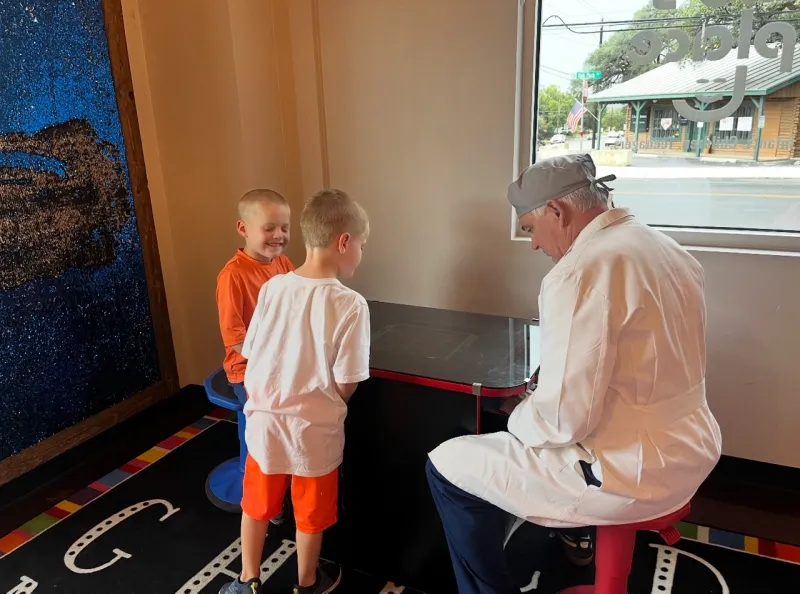
Table of Contents
- How Dental Anxiety and Tooth Decay Connect in Kids
- Recognizing the Signs of Cavities in Children
- How to Help a Child Who Is Afraid of the Dentist
- Preparing a Child for a Dental Visit: Age-by-Age Steps
- Cavity Treatment Anxiety in Children: What to Expect
- Building a Cavity Prevention Routine That Works
- When to Call the Dentist
- Helping Anxious Kids at The Kid’s Place in Boerne
- Frequently Asked Questions
How Dental Anxiety and Tooth Decay Connect in Kids
Does dental anxiety cause tooth decay in kids? Not directly, but it sets up the conditions for it.
Dental anxiety is a real emotional response, not a discipline problem. It can look like crying, clinging, stomachaches before a visit, or flat-out refusal to open up.
The link to decay is indirect: fear leads to missed or delayed checkups, so early cavities go unnoticed until they hurt. And a child who has had a painful tooth or a hard visit has more reason to be afraid of the next one.
What the Research Shows
Dental fear is common. A 2020 review of studies from around the world estimated that about 1 in 4 children and teens has dental anxiety, and it is most common in preschoolers.
Fear and cavities tend to travel together. A 2024 review in the Journal of Dentistry found that young children with cavities were more likely to be afraid of the dentist than cavity-free children, and so were children who had never been to a dentist. That is one reason an early, positive first visit matters.
No study shows that fear itself damages tooth enamel. Stress works through habits instead: some anxious kids snack more on sweets for comfort, and frequent sugar is what feeds cavity-causing bacteria.
Parents’ own dental fear matters too. A review of 43 studies found a clear link between parents’ and children’s dental fear, strongest in kids 8 and under. If the dentist makes you nervous, your child can pick up on it without you saying a word.
Recognizing the Signs of Cavities in Children
Spotting signs of cavities in children early changes everything, but early decay usually doesn’t hurt, so kids don’t mention it.
Watch for these:
- Chalky white or brown spots on the teeth, especially near the gumline
- Sensitivity to cold or sweet foods and drinks
- A toothache that comes and goes
- Dark spots, pits or holes in a tooth
Dental anxiety can hide these signs. A child who fears the dentist may keep quiet about a sore tooth to avoid a visit, and that silence gives decay time to grow.
Anxiety or tooth pain? Anxiety tends to show up before appointments (stomachaches, tears, trouble sleeping) and fades afterward. Tooth pain sticks around, often gets worse with chewing, cold or sweets, and may show up as your child chewing on one side or avoiding certain foods.
How to Help a Child Who Is Afraid of the Dentist
Helping a child who is afraid of the dentist starts with one shift: treat the fear as real, not as misbehavior.
Try these calming strategies:
- Talk about the visit a few days ahead, in calm, simple words.
- Skip scary words like “shot,” “drill” or “pain.”
- Play dentist at home with a stuffed animal.
- Read a picture book about dental visits together.
- Stay relaxed yourself. Kids read your face.
- Never use the dentist as a threat.
A common mistake is bribing a child in the middle of a meltdown. It teaches them that dental visits are something you need to be paid to survive, which confirms the fear.
The office matters too. A pediatric dental office is set up for kids, and a team that sees nervous children every day knows how to slow down, explain things in kid language, and build trust before doing any treatment.
Preparing a Child for a Dental Visit: Age-by-Age Steps
Preparing a child for a dental visit works best when the approach matches the child’s age. What calms a toddler can backfire with a 10-year-old.
Toddlers (under 3)
Toddlers don’t understand explanations, so preparation is mostly about your calm and the timing of the visit.
- Book a morning slot. Tired toddlers melt down faster in the afternoon.
- Bring a comfort item. A favorite blanket or stuffed animal is welcome.
- Expect lap time. Young toddlers are often examined while sitting on a parent’s lap or knee-to-knee with the dentist.
- Skip the long preview talk. It means little at this age and can build anticipation.
- Say one sentence in the car: “We’re going to see the tooth doctor. I’ll be with you.”
What to avoid: promising “no shots” or “it won’t hurt.” If treatment turns out to be needed, that promise breaks trust fast.
Ages 3 to 5
Preschoolers respond to play and repetition. Start two or three days ahead, not the morning of.
- Play dentist at home. Count a stuffed animal’s teeth with a toothbrush. Let your child “examine” you first.
- Read one book. Picture books about dental visits let kids rehearse what will happen.
- Use friendly words. “Tooth counter,” “water sprayer” and “sleepy tooth medicine” instead of “drill” or “shot.”
- Practice the chair. Have your child lie back on the couch and open wide for five seconds.
- Keep the morning normal. Special treats beforehand signal that something hard is coming.
Don’t over-rehearse. Two or three short play sessions beat a week of daily drills.
Ages 6 to 8
School-age kids want honest answers and can handle simple cause and effect. Vague reassurance backfires.
- Answer questions directly. “Will it hurt?” gets “You might feel some pressure, and you can raise your hand if you need a break.”
- Explain the order. Count the teeth, take pictures, clean and polish.
- Agree on a signal. A raised hand means “pause.”
- Let them pack a bag. A book or small toy for the waiting room gives a sense of control.
- Avoid surprises. If treatment might be needed, ask the office ahead of time so you can prepare your child honestly.
Ages 9 to 12
Older kids want respect and a say. Treat them like a partner in the appointment.
- Let them help choose the appointment time when possible.
- Have them write down their own questions for the dentist.
- Explain treatment in real terms. They can understand what a cavity is and why a filling protects the tooth.
- Skip baby talk. It reads as condescending and increases resistance.
Teens
Teens often hide fear behind irritation or silence. Preparation means privacy and control.
- Offer to wait in the waiting room instead of the exam room.
- Let them talk to the dentist directly. Step back unless they ask you to stay.
- Acknowledge the fear without a lecture. “Lots of people don’t love the dentist. Let’s find what works for you.”
- Ask about sedation options privately if the fear is severe.
What to say before and during the appointment
A short script beats a long talk at every age:
- Before: “The dentist is going to count your teeth and clean them. I’ll be right there. If you want a break, raise your hand.”
- In the waiting room: “You’re doing great. We’ll go in when they call your name.”
- In the chair: “Remember, you can raise your hand anytime.”
Book your child’s visit at The Kid’s Place →
Cavity Treatment Anxiety in Children: What to Expect
Cavity treatment anxiety in children is normal and manageable. Most early cavities need a simple filling. Deeper decay may need a crown or nerve treatment on a baby tooth, and occasionally the tooth needs to come out.
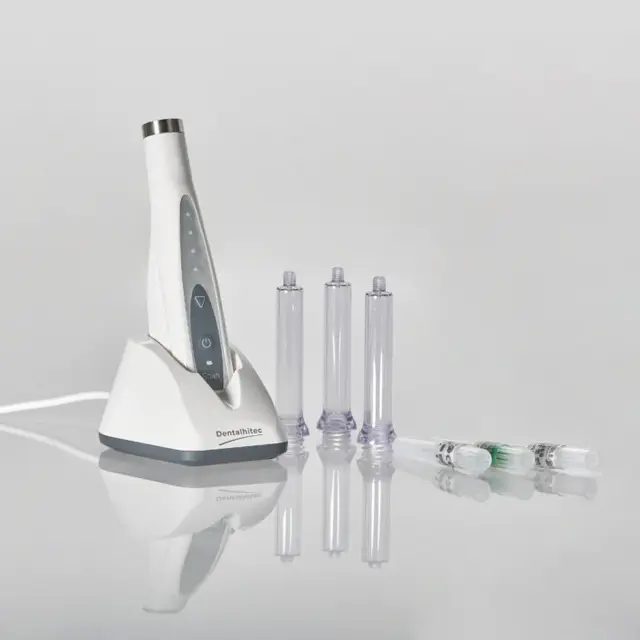
Modern pediatric dentistry has several ways to keep treatment comfortable:
- Numbing gel on the gums before any injection
- Computer-controlled painless numbing that avoids the pressure of a traditional shot
- Sedation options, from laughing gas to general anesthesia, when a child needs more help
- Shorter, staged appointments when that fits the child better
Much of what kids remember as “the shot hurting” is pressure from the medicine going in too fast. Slowing that down makes a big difference for needle-shy children.
Building a Cavity Prevention Routine That Works
A good prevention routine is your best defense, and it’s simpler than most parents expect. Fewer cavities also means fewer treatment visits for an anxious child.
- Brush twice a day with fluoride toothpaste: a smear the size of a grain of rice under age 3, a pea-sized amount from 3 to 6
- Help with brushing until your child can do it well on their own, usually around age 6 to 8
- Floss once a day once teeth touch each other
- Limit sugary drinks and snacks, especially sipping or grazing between meals
- Offer water after sweets, and only water in a bedtime cup or bottle
- Keep routine checkups on the schedule your dentist recommends, starting by the first birthday
Sugar and starch feed mouth bacteria, which make acid that wears down enamel. Frequent snacking keeps that acid around all day, so how often matters as much as how much.
When Dental Anxiety or Tooth Decay Needs Professional Attention
Some situations need a dentist now, not at the next checkup.
Urgent: call the same day
- Facial swelling around the cheek, jaw or eye
- Fever with tooth pain or swelling
- A toothache that wakes your child at night
- A broken or knocked-out tooth. A knocked-out permanent tooth is a call-right-now emergency: pick it up by the top, not the root, and keep it in milk on the way in. Don’t try to put a baby tooth back in.
If swelling is spreading toward the eye or neck, or your child has trouble breathing or swallowing, go to the emergency room.
See a dentist soon: within a few days
- A visible hole or dark spot on a tooth
- Sensitivity to cold or sweets that keeps happening
- A chipped tooth without pain
- White or brown spots near the gumline that don’t brush away
- Gums that bleed when brushing for more than a week
When fear needs more help
Fear becomes a real problem when it blocks care. Talk to a pediatric dentist if:
- Your child won’t open their mouth for an exam, even after a calm visit
- Fear causes vomiting, panic or shutting down before appointments
- You have postponed a needed filling more than once because of fear
- Your child hides pain to avoid a visit
If worry is spilling over into school, doctor visits or sleep, mention it to your pediatrician too. Severe dental fear is treatable, and asking for extra help is not overreacting.
What to say when you call
- For pain or swelling: “My child has swelling on the left cheek and a fever. How soon can we be seen?”
- For anxiety: “My child is very afraid of the dentist and has refused care before. What can you do to help?”
Helping Anxious Kids at The Kid’s Place in Boerne
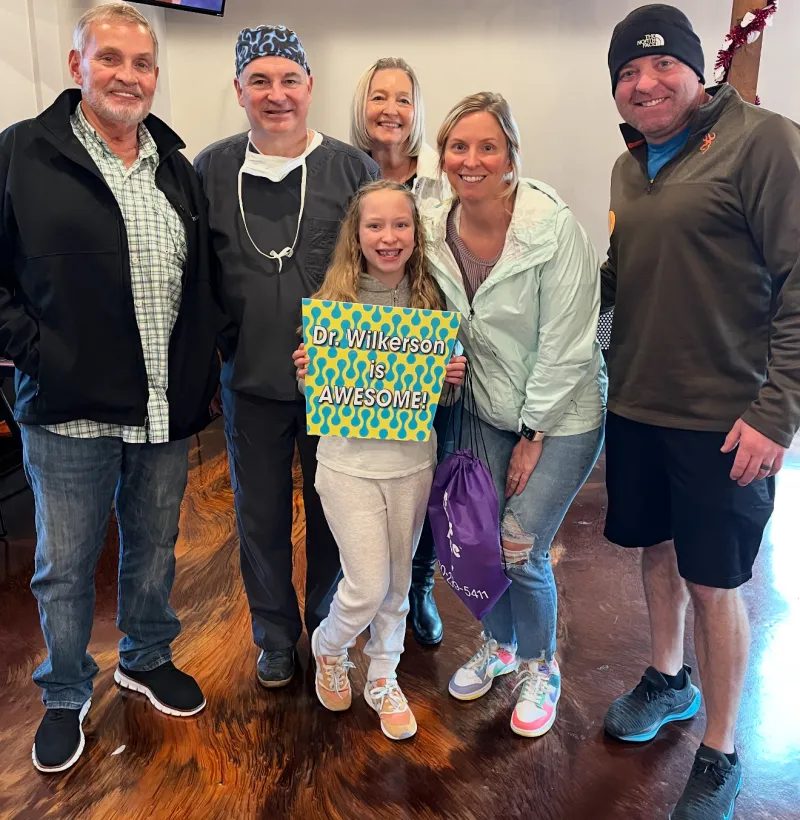
Dr. Michael K. Wilkerson is a board-certified pediatric dentist who has cared for Hill Country kids for over 30 years, and many of the children we see started out nervous. The Kid’s Place is a kids-only office, with arcade games, movies, massage chairs and free slushies, because a visit that feels fun is the first step to a visit that isn’t scary.
For children who need more help:
- Acclimation visits let very anxious kids meet the team and get used to the office and chair before any treatment.
- DentalHiTech painless numbing delivers medicine slowly enough that most kids don’t realize they got a shot.
- Sedation options include laughing gas, oral sedation, and in-office general anesthesia with a visiting board-certified anesthesia professional, so there’s no hospital trip.
- Our team speaks Spanish, and we care for children with special needs.
If your child dreads the dentist, call us at (830) 239-5411 and tell us what has been hard. We’ll help you plan a visit that works for your child. You can also read more about how we help anxious kids.
Frequently Asked Questions
Can dental anxiety cause cavities in children?
Not directly. Fear does not damage teeth, but it raises the risk of cavities indirectly. Anxious children are more likely to skip or delay checkups, so early decay goes unnoticed, and some reach for sugary comfort snacks when stressed. Research also shows the link runs both ways: children who already have cavities are more likely to be afraid of the dentist. Calm, regular visits and steady home care break the cycle.
How can I tell if my child is afraid of the dentist?
Watch for crying, clinging, stomachaches or trouble sleeping before visits, refusing to open their mouth, or going quiet and withdrawn. Some children hide tooth pain so they don't have to go. Ask your child what worries them, and tell your pediatric dentist so the team can adjust their approach from the first appointment.
What should I tell my child before a filling?
Keep it short, simple and honest. Skip scary words like 'shot,' 'drill' or 'hurt,' and don't promise it won't hurt. You can say the dentist will clean a tiny spot on the tooth and use special medicine so the tooth feels sleepy. Let them know you'll be close by, agree on a hand signal for a break, and stay calm yourself, because children pick up on a parent's dental fear.
When should a child see a dentist for a possible cavity?
Call for a visit as soon as you notice white or brown spots that don't brush away, a dark spot or hole, or sensitivity to sweets or cold. A toothache that wakes your child at night, facial swelling or a fever with tooth pain should be seen the same day. Regular checkups catch decay before it causes symptoms.
What does The Kid's Place do for anxious kids?
The Kid's Place in Boerne is a kids-only office with arcade games, movies, massage chairs and free slushies. For nervous children we offer acclimation visits to get comfortable before treatment, DentalHiTech painless numbing, and when needed, nitrous oxide, oral sedation or in-office general anesthesia with a visiting board-certified anesthesia professional. Call (830) 239-5411 to talk about what your child needs.