
Preventing Baby Bottle Tooth Decay (Bottle Rot): A Parent's Guide
Reviewed by Dr. Michael K. Wilkerson, DDS, pediatric dentist in Boerne, TX · Updated November 26, 2026
Last Updated: November 26, 2026
Quick Summary
Baby bottle tooth decay, often called bottle rot, happens when milk, formula or juice sits on a baby’s teeth for long stretches, especially during sleep. You can prevent it: no bottle of milk or juice in bed, brush twice a day with a rice-grain smear of fluoride toothpaste, wean from the bottle between 12 and 18 months, and see a dentist by the first birthday.
- It usually starts on the upper front teeth, as chalky white spots near the gums.
- Bedtime bottle? Plain water only.
- Brush twice a day from the first tooth, with the last brushing after the last feeding.
- Start a cup around 6 months; finish weaning from the bottle by about 18 months.
- White or brown spots? Call your pediatric dentist; don’t wait for pain.
Table of Contents
- What Baby Bottle Tooth Decay Is
- Why It Happens
- Early Signs to Watch For
- A Step-by-Step Prevention Plan
- A Realistic Bottle-Weaning Plan
- Nighttime Breastfeeding
- Treatment If Decay Has Started
- See a Pediatric Dentist by the First Birthday
- Frequently Asked Questions
What Baby Bottle Tooth Decay Is
Baby bottle tooth decay (also called bottle rot or nursing caries) is a pattern of cavities in a baby’s or toddler’s teeth. Dentists call it early childhood caries. It usually starts on the upper front teeth, where milk or juice pools when a child falls asleep with a bottle. The lower front teeth are often spared because the tongue covers them.
Baby teeth have thinner enamel than adult teeth, so decay can spread quickly. Untreated, it can cause pain, infection and trouble eating, and baby teeth lost early can leave adult teeth without enough room.
Why It Happens
Cavity-causing bacteria feed on sugars, including the natural sugars in milk, formula and juice, and make acid that weakens enamel. Saliva normally washes sugars away and helps repair enamel, but saliva slows way down during sleep. A bottle at bedtime or naps lets sugar sit on the teeth for hours.
What raises the risk:
- Falling asleep with a bottle of milk, formula or juice
- Sipping from a bottle or sippy cup of anything but water throughout the day
- Juice, soda, sweet tea or sugar water
- Frequent snacking between meals
- Using a bottle well past the first birthday
- Dipping pacifiers in honey or sugar
- Sharing spoons or cleaning a pacifier in your own mouth, which can pass cavity bacteria to your baby
How often matters more than how much. Sipping a sweet drink over an hour is harder on teeth than drinking the same amount with a meal.
Early Signs to Watch For
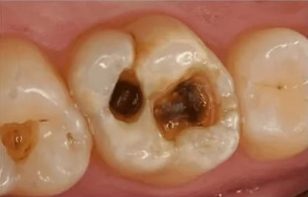
Once a month, lift your baby’s upper lip and look at the front teeth near the gums. Watch for:
- Chalky white spots or a white line near the gums that don’t brush away (the earliest sign)
- Yellow or brown spots on the teeth
- Chipping or crumbling at the edges
- Sensitivity to cold or sweet foods
- Pain, swelling, or a pimple-like bump on the gum
Early decay doesn’t hurt, so don’t wait for pain. Call your pediatric dentist if you see any of these. Swelling of the face, fever with tooth pain, or a child who won’t eat needs a call the same day.
A Step-by-Step Prevention Plan
1. Keep bedtime bottles to water
- Give the last milk or formula feeding before brushing and bedtime.
- If your child needs a bottle to fall asleep, fill it with plain water.
- Never prop a bottle or leave one in the crib.
- Skip juice in bottles. If you offer juice, give a small amount in a cup with a meal.
2. Clean teeth twice a day
| Age | What to use | Toothpaste |
|---|---|---|
| Before the first tooth | Soft, damp cloth or gauze after feedings | None |
| First tooth to age 3 | Soft baby toothbrush, twice a day | Rice-grain smear of fluoride toothpaste |
| Ages 3 to 6 | Soft child toothbrush, twice a day | Pea-sized amount of fluoride toothpaste |
Brush for your child until they can do a thorough job on their own, usually around age 6 or later. Start flossing when two teeth touch. See our baby oral care checklist and our guide on using fluoride toothpaste safely for infants.
3. Limit sweet drinks and snacks
Offer water between meals, keep juice small and with meals, and group snacks into set snack times instead of all-day grazing.
4. Keep cavity bacteria to yourself
Use your own spoon to taste baby food, rinse pacifiers with water instead of your mouth, and keep up with your own dental care, too.
Book your child’s visit at The Kid’s Place →
A Realistic Bottle-Weaning Plan
Start offering a cup around 6 months, and plan to finish weaning from the bottle between 12 and 18 months. Going one bottle at a time makes it easier:
- Drop the midday bottle first. Offer a cup with lunch instead.
- Swap the morning bottle for a cup with breakfast.
- Move the bedtime bottle earlier so it isn’t the last thing before sleep, then brush. Over a week or two, switch it to water.
- Add a new comfort cue, like a stuffed animal, a blanket or an extra book, so the bottle isn’t what puts your child to sleep.
Still using a bottle past 18 months? Mention it at your child’s next visit and we’ll help you make a plan. If you’re unsure whether your baby still needs night feedings for growth, check with your pediatrician.
Nighttime Breastfeeding
Breastfeeding has many benefits for babies. Once teeth come in, though, frequent nighttime feeding can add to cavity risk. The American Academy of Pediatric Dentistry suggests avoiding on-demand night nursing after the first tooth erupts. When you can, wipe or brush your baby’s teeth after night feedings, and talk with your pediatric dentist about your baby’s risk.
Treatment If Decay Has Started
Treatment depends on how far decay has gone:
- Early white spots can sometimes be stopped, or even hardened again, with fluoride treatments, better brushing and fewer sugary drinks.
- Cavities won’t heal on their own and need fillings or, for larger ones, crowns.
- Infected or badly broken teeth may need nerve treatment or removal, sometimes with a space maintainer to save room for the adult tooth.
For young children who need a lot of treatment, sedation can help them get through it comfortably. Learn about sedation dentistry for kids in Boerne.
See a Pediatric Dentist by the First Birthday
The American Academy of Pediatric Dentistry recommends a first dental visit by the first birthday, or within six months of the first tooth. At that visit, we check for early white spots, look at feeding and brushing habits, and can add fluoride treatments for babies at higher risk.
Dr. Michael K. Wilkerson, a board-certified pediatric dentist, has cared for Hill Country kids since 1993. Call us at (830) 239-5411 or book online. Our guide to the best age for a first dental visit explains what to expect.
Frequently Asked Questions
What is baby bottle tooth decay (bottle rot)?
It's a pattern of cavities in a baby or toddler's teeth, usually starting on the upper front teeth, caused by milk, formula, juice or other sweet drinks sitting on the teeth for long stretches, especially during sleep. Dentists call it early childhood caries. It's very preventable.
Is it OK to put my baby to bed with a bottle of milk?
No. Milk and formula contain natural sugars, and during sleep there's less saliva to wash them away. If your baby needs a bottle to fall asleep, fill it with plain water, and give the last milk feeding before brushing and bedtime.
What does early bottle rot look like?
The first sign is usually a chalky white line or white spots along the gumline of the upper front teeth. Later, the spots turn yellow or brown, and the tooth can chip or break. Early white spots don't hurt, so check your child's teeth by lifting the upper lip once a month.
Can bottle rot be reversed?
Very early white spots can sometimes be stopped or even hardened again with fluoride, better brushing and fewer sugary drinks. Once a spot becomes a cavity, it won't heal on its own and needs treatment. That's why early checks matter.
Does nighttime breastfeeding cause cavities?
Breastfeeding has many benefits. Once teeth come in, though, frequent nighttime feeding can add to cavity risk, and the American Academy of Pediatric Dentistry suggests avoiding on-demand night nursing after the first tooth. Wipe or brush your baby's teeth after night feedings when you can, and talk with your pediatric dentist about your baby's risk.
🎮 Kids can test their tooth smarts with our free Dental Trivia Challenge.