

Choosing a Pediatric Dentist for an Anxious Toddler
Reviewed by Dr. Michael K. Wilkerson, DDS, pediatric dentist in Boerne, TX
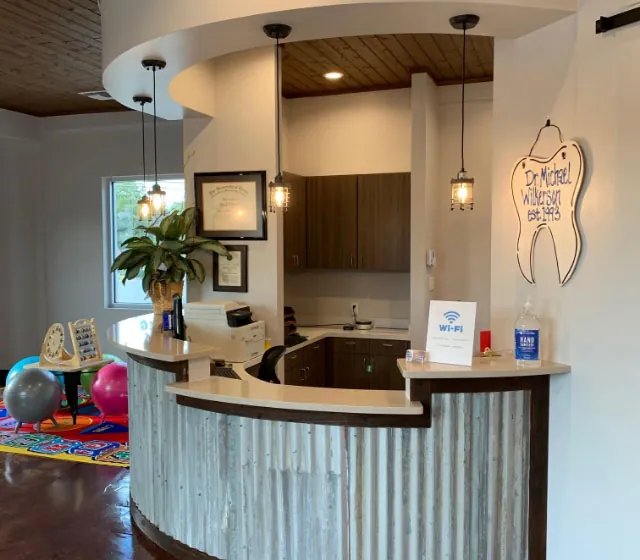
Table of Contents
- What to Look for in a Pediatric Dentist for Anxious Toddlers
- What a Toddler’s First Visits Look Like
- Comfort Methods That Don’t Need Sedation
- “Painless” Numbing: What It Actually Means
- Sedation Options for Toddlers
- Sedation Safety: What to Confirm
- How to Prepare a Toddler for the Dentist
- Questions to Ask Before You Book
- Costs and Insurance
- Anxious Toddlers at The Kid’s Place in Boerne
- Frequently Asked Questions
What to Look for in a Pediatric Dentist for Anxious Toddlers
Finding the right dentist for an anxious toddler comes down to four things: a board-certified pediatric dentist, a team that is comfortable with very young children, gentle comfort methods tried before medication, and sedation options with real safety standards when they are needed.
No dental care can promise to be completely pain-free. “Pain-free dentistry” really means a set of habits: numbing gel before any injection, slow and gentle numbing, and a calm approach that keeps a child from getting scared in the first place.
A fun office helps. Toys, movies and bright colors make the first few minutes easier. But what actually gets a frightened two-year-old through a visit is a team that knows how to work with toddlers, a parent close by, and a dentist who doesn’t rush.
Here’s what separates a truly gentle practice from one that just says it is:
- Pediatric specialty training. A pediatric dentist completes extra years of training focused on children, including very young and anxious kids. Board certification through the American Board of Pediatric Dentistry is an added step beyond that.
- Experience with toddlers. Ask whether the practice routinely sees children under 3 and has a standard first-visit routine for them.
- A clear comfort plan that the office can explain before you book.
- Sedation offered in levels, matched to your child rather than the schedule, with a clear answer about who monitors your child.
What a Toddler’s First Visits Look Like
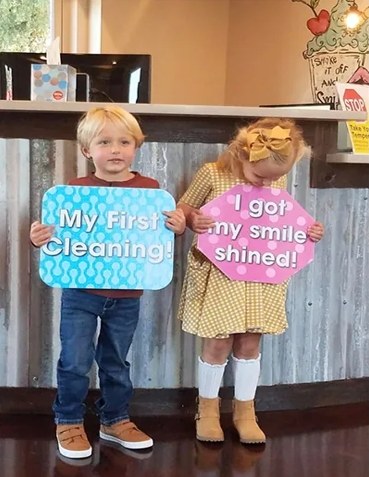
Pediatric dentists recommend a first dental visit by your child’s first birthday, or within six months of the first tooth coming in. For toddlers, these early visits are mostly about getting comfortable, checking for early decay and showing parents how to care for little teeth at home.
A few things that surprise parents:
- Your child may sit on your lap. Many toddlers are examined in a parent’s lap, or with parent and dentist sitting knee to knee, which keeps your child close to you the whole time.
- Crying is normal. It is expected at this age and doesn’t mean the visit went badly. An open, crying mouth even makes it easier for the dentist to see.
- Visits are short. A toddler exam usually takes just a few minutes.
- Treatment is often simple. For many toddlers, a visit is an exam, a cleaning and a fluoride varnish painted on the teeth.
Comfort Methods That Don’t Need Sedation
Many anxious toddlers do well with no medication at all. Pediatric dentists are trained in behavior guidance, which is a fancy name for helping kids cooperate without force. Common techniques include:
- Tell-show-do: the dentist tells your child what a tool does, shows it (maybe counting fingers with it first), then uses it.
- Distraction: movies, songs, counting teeth out loud or a favorite toy.
- Short, positive visits: stopping on a good note and building up over a few visits instead of doing everything at once.
- Praise: celebrating each small win, like opening wide.
- Getting-to-know-you visits: a visit with no treatment, just to meet the team and see the office.
A practice that tries these first, and reaches for medication only when they aren’t enough, is a good sign.
“Painless” Numbing: What It Actually Means
Most toddlers never need a shot at the dentist. But if your child needs a filling, the way numbing is given makes a big difference.
Much of the discomfort of a dental shot comes from the medicine going in too fast. Gentle numbing starts with a numbing gel on the gums, then delivers the medicine slowly. Some offices use a computer-controlled numbing system that keeps the flow slow and steady, so many kids don’t notice the injection. At The Kid’s Place we use the Soan by DentalHiTech, which looks like a pen rather than a syringe. A few offices use needle-free jet injectors, which have their own limits. Our guide to needle-free injections for kids explains the difference.
Whatever the system, ask the office to name it and explain what your child will feel.
Sedation Options for Toddlers
When comfort methods aren’t enough, or a toddler needs a lot of treatment, sedation can help. The right level depends on your child’s anxiety, how much treatment is needed and their medical history. It is a decision you make together with the dentist.
| Option | How your child feels | Often used for | Afterward |
|---|---|---|---|
| Nitrous oxide (laughing gas) | Awake and relaxed | Mild to moderate anxiety, kids who will wear the nose mask | Wears off within minutes |
| Oral sedation | Drowsy but awake | Moderate anxiety, longer visits | Sleepy for several hours; rest at home |
| General anesthesia | Fully asleep | Severe anxiety, very young children with a lot of treatment, special needs | Monitored recovery before going home |
Laughing gas works for many children, but some young toddlers won’t keep the nose mask on, which limits how well it works at that age. General anesthesia lets all treatment be done in one visit, and it requires a dedicated anesthesia professional.
Sedation Safety: What to Confirm
Sedation is safe when it is done right: a careful health review, the right level for your child, continuous monitoring and a trained team. The American Academy of Pediatric Dentistry’s sedation guidelines set out the standards practices are expected to follow.
Before sedation, a careful practice will:
- Review your child’s health in person: medical history, medicines, allergies, past reactions to anesthesia, and any breathing, heart or sleep problems such as snoring or sleep apnea.
- Check for recent illness. A cold, cough or fever can mean rescheduling, because it affects breathing during sedation.
- Dose by weight and give you written instructions, including when your child must stop eating and drinking beforehand.
- Monitor continuously, with someone watching your child’s oxygen, heart rate and breathing who is not the person doing the dental work.
- Explain the plan and the risks before you sign consent, including why a lighter option isn’t enough and what happens if your child reacts unexpectedly.
For some children with complex medical needs, a hospital setting may be the safer choice, and a good dentist will tell you so.
How to Prepare a Toddler for the Dentist
Toddlers do best with short, positive, repeated exposure in the days before a visit:
- Read a picture book about going to the dentist.
- Play dentist at home. Count a stuffed animal’s teeth, then let your child count yours.
- Practice “open wide” in the mirror while brushing.
- Book a time when your child is usually rested and fed. Mornings often work best.
- Bring a comfort item like a blanket or stuffed animal.
- Skip scary words like “shot,” “drill” or “hurt,” and keep your own tone calm.
- Tell the office ahead of time about any past hard experience at a doctor or dentist.
Book your toddler’s first visit at The Kid’s Place →
Questions to Ask Before You Book
Ask these on the phone before you schedule. A confident practice answers clearly and without pressure.
- Is the dentist a board-certified pediatric dentist?
- How often do you see children under 3?
- Can I stay with my child during the visit?
- What do you do for a child who is very scared?
- How do you give numbing, and what will my child feel?
- Which sedation options do you offer, who gives them, and who monitors my child?
- Can we do a getting-to-know-you visit first?
If an office can’t clearly explain how it keeps a sedated child safe, keep looking.
Costs and Insurance
Costs depend on the treatment your child needs, the type of sedation if any, and your insurance. Routine check-ups for young children are commonly covered by dental plans, while sedation coverage varies a lot. Ask for a written estimate before treatment and have the office check your benefits, and ask whether a larger treatment plan can be split into phases or paid over time.
Anxious Toddlers at The Kid’s Place in Boerne
Dr. Michael K. Wilkerson is a board-certified pediatric dentist who has cared for Hill Country kids, toddlers included, for over 30 years. The Kid’s Place is a kids-only office with arcade games, movies, massage chairs and free slushies, so even the youngest patients walk into a place built for them.
- Acclimation visits let very anxious children meet the team and get comfortable with the office and chair before any treatment.
- Soan painless numbing, a wireless, pen-sized system by DentalHiTech, delivers numbing medicine slowly, so most kids don’t realize they got a shot.
- Three levels of sedation: laughing gas, oral sedation, and in-office general anesthesia with a visiting board-certified anesthesia professional, so there’s no hospital trip.
- Our team speaks Spanish, and we care for children with special needs.
Whether it’s your toddler’s very first check-up or they’ve had a hard time somewhere else, call us at (830) 239-5411 and tell us about your child. You can also read how we help anxious kids or our guide on dental anxiety and tooth decay.
Frequently Asked Questions
Is there such a thing as pain-free dentistry for toddlers?
No dental care can promise to be completely pain-free, but most toddler visits involve no pain at all: an exam, a cleaning and fluoride varnish. When treatment is needed, gentle methods keep it comfortable: numbing gel before any injection, slow computer-controlled numbing, and a calm team that knows how to work with little ones. Ask a pediatric dentist which comfort methods they use.
What should I look for in a pediatric dentist for an anxious toddler?
Look for a board-certified pediatric dentist who routinely sees children under 3, tries gentle comfort methods before medication, and offers sedation in levels with clear monitoring. Ask whether you can stay with your child, whether a getting-to-know-you visit is possible, and how the office handles a very scared child. A kid-friendly office helps, but training and a calm approach matter most.
Is sedation safe for toddlers at the dentist?
Sedation is considered safe when it is done right: an in-person health review, weight-based dosing, clear fasting instructions, and continuous monitoring by someone other than the person doing the dental work. Tell the dentist about any breathing problems, snoring, recent illness or past reactions to anesthesia. For some children with complex medical needs, a hospital setting may be recommended.
How can I prepare my toddler for their first dental visit?
Read a picture book about the dentist, play dentist at home with a stuffed animal, and practice opening wide in the mirror. Book a time when your toddler is usually rested and fed, bring a comfort item, and keep your own tone calm. Skip words like 'shot' or 'hurt,' and don't promise it won't hurt. Crying at this age is normal and doesn't mean the visit went badly.
Does The Kid's Place see anxious toddlers?
Yes. Dr. Michael K. Wilkerson is a board-certified pediatric dentist in Boerne who has cared for Hill Country kids for over 30 years. The Kid's Place offers acclimation visits for anxious children, Soan painless numbing by DentalHiTech, and laughing gas, oral sedation and in-office general anesthesia when needed. Call (830) 239-5411 to schedule your toddler's visit.