

Does Early Orthodontic Treatment Hurt? What Parents Should Know
Reviewed by Dr. Michael K. Wilkerson, DDS, pediatric dentist in Boerne, TX
Quick Summary
Early orthodontic treatment usually causes pressure and soreness, not sharp pain. Soreness is worst in the first few days after an appliance goes in or is adjusted, and it usually settles within about a week. Soft foods, cold drinks, orthodontic wax and, if needed, a children’s pain reliever handle most of it at home.
- Most kids describe it as “tight” or “achy,” especially when chewing.
- Soreness often peaks on day one or two, then fades.
- Adjustment visits bring a shorter, milder round of tenderness.
- Palate expanders cause brief pressure after each turn, and a gap between the front teeth is normal.
- Call your dentist for a broken appliance, a poking wire wax can’t fix, swelling, fever, or pain that gets worse instead of better.
Table of Contents
- Does Early Orthodontic Treatment Hurt?
- The First Week: What to Expect Day by Day
- How It Feels, Appliance by Appliance
- Adjustment Visits
- Relieving Soreness at Home
- Soft Foods for Sore Days
- When to Call the Dentist
- Is Early Treatment Worth It?
- Early Orthodontics at The Kid’s Place in Boerne
- Frequently Asked Questions
Does Early Orthodontic Treatment Hurt?
It’s usually the first thing parents ask. The honest answer: most children feel pressure and soreness, not sharp pain, and it doesn’t last long.
Early orthodontic treatment (also called Phase 1 or interceptive orthodontics) is treatment that starts while a child still has a mix of baby and adult teeth, usually around ages 7 to 10. It uses appliances like expanders, space maintainers, habit appliances or partial braces to guide growth and fix specific problems early. Moving teeth or widening a jaw puts gentle pressure on the teeth and gums, and that pressure is what kids feel as soreness.
Placing most appliances doesn’t hurt at all. The soreness comes afterward, as the teeth start to respond.
The First Week: What to Expect Day by Day
Every child is different, but most follow a similar pattern after a new appliance or braces:
- The first few hours: usually fine. Teeth may start to feel tight by evening.
- Days 1 to 2: soreness is usually at its peak. Teeth feel tender when biting or chewing, and your child may want only soft foods.
- Days 3 to 4: noticeably better. Most kids are back to their normal routine, still avoiding hard or chewy food.
- Days 5 to 7: little to no soreness for most children. Cheeks and lips are getting used to the appliance.
Some kids barely notice anything. Others need a few extra days of soft food. Both are normal.
How It Feels, Appliance by Appliance
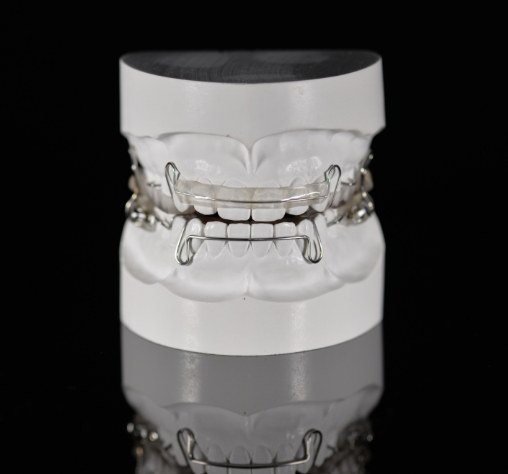
- Palate expander: after each turn, kids often feel pressure in the roof of the mouth, behind the nose or under the eyes for a few minutes, and then it fades. Extra saliva and a slight lisp are common the first few days. As the upper jaw widens, a gap often opens between the two front teeth. That’s normal and expected; it often closes on its own over the following weeks, or is closed later in treatment.
- Partial braces: the same tight, achy feeling as full braces, usually milder because fewer teeth are involved. Brackets can rub the lips and cheeks at first.
- Space maintainers: usually just a “something new” feeling. Any irritation is more likely from the appliance rubbing than from teeth moving.
- Habit appliances (for thumb sucking or tongue thrust): mostly an adjustment period. Eating and speaking feel different for the first several days.
- Removable appliances: snug and a bit awkward at first, with extra saliva and a slight lisp that fade as your child gets used to wearing it.
Adjustment Visits
During treatment, follow-up visits are usually every 4 to 6 weeks. After an adjustment, expect a shorter, milder version of the first-week soreness, often a day or two. Most families find the first week is the hardest, and adjustments get easier as treatment goes on.
Tip: book adjustments when your child can have a quiet afternoon, and have soft food ready at home.
Book an orthodontic consultation at The Kid’s Place →
Relieving Soreness at Home
Match the fix to what’s bothering your child:
- Achy teeth: soft foods and cold drinks. Smoothies and frozen yogurt are favorites.
- Brackets or wires rubbing the cheeks or lips: orthodontic wax. Dry the spot with a tissue, press on a small ball of wax, and replace it after meals.
- Sore spots on the cheeks or gums: a warm salt-water rinse (about half a teaspoon of salt in a cup of warm water) a few times a day.
- Bigger discomfort: a children’s pain reliever such as acetaminophen or ibuprofen can help on the first day or two. Use the dose on the label for your child’s weight and age, and ask us or your pediatrician if you’re unsure. Don’t give aspirin to children.
Soft Foods for Sore Days
Good choices for the first few days:
- Yogurt, smoothies and applesauce
- Mac and cheese, pasta and soup
- Scrambled eggs and mashed potatoes
- Bananas and soft-cooked vegetables
- Pudding, oatmeal and soft bread
Skip hard, sticky and crunchy foods, which can hurt sore teeth and damage appliances: popcorn, nuts, hard candy, ice, caramel, taffy and gum. Cut foods like apples and carrots into small pieces instead of biting into them.
When to Call the Dentist
Pressure and mild soreness are expected. Call us if you notice:
- A loose, broken or bent appliance, wire or bracket
- A wire that’s poking and can’t be fixed with wax
- Pain that’s getting worse after the first few days instead of better
- Swelling of the face or gums, or a fever
- A sore on the cheek or gum that isn’t healing after about a week
- Your child won’t eat or drink because of pain
- With an expander: pressure that feels severe or only on one side, or the appliance feels loose
Is Early Treatment Worth It?
A few days of soreness is a small part of the decision. The bigger question is whether your child has a problem that early treatment actually helps. For some problems, like crossbites, the evidence for treating early is strong. For others, waiting and monitoring is the better choice.
Our guide to early interceptive orthodontics covers when early treatment helps, the appliances involved, how long it takes, costs and what the research says.
Early Orthodontics at The Kid’s Place in Boerne
Dr. Michael K. Wilkerson is a board-certified pediatric dentist who has cared for Hill Country kids since 1993, and early orthodontics is part of what we do every day. Because we see many children for regular check-ups, we can watch how their bite and jaw develop and spot problems early.
When your child starts treatment, we’ll walk you through what they’ll feel, how to handle sore days, and what to do if something comes loose. Visits happen in the same fun office as their check-ups, with arcade games, movies and slushies.
The first step is an orthodontic consultation, a paid visit that includes a full set of records and Dr. Wilkerson’s exam. Learn more about orthodontics for kids at The Kid’s Place, or call us at (830) 239-5411.
Frequently Asked Questions
Does early orthodontic treatment hurt?
Most children feel pressure and soreness rather than sharp pain. Placing most appliances doesn't hurt; soreness comes afterward as the teeth respond. It's usually worst on the first day or two and settles within about a week. Soft foods, cold drinks and orthodontic wax help, and a children's pain reliever can be used for the first day or two if needed.
How long does soreness last after braces or an expander?
Soreness usually peaks on day one or two and fades over about a week. After adjustment visits, expect a shorter, milder round of tenderness, often a day or two. With a palate expander, pressure after each turn usually lasts just a few minutes.
Is it normal for a gap to appear between the front teeth with an expander?
Yes. As the upper jaw widens, a gap between the two front teeth is a normal, expected sign that the expander is working. It often closes on its own over the following weeks, or is closed later in treatment.
What can I give my child for braces pain?
Start with soft foods, cold drinks, orthodontic wax for rubbing brackets, and warm salt-water rinses for sore spots. For bigger discomfort, a children's pain reliever such as acetaminophen or ibuprofen, dosed by the label for your child's weight and age, can help. Ask your dentist or pediatrician if you're unsure, and don't give aspirin to children.
When should I call the dentist about orthodontic pain?
Call if an appliance or wire is loose, broken or poking and wax doesn't help, if pain gets worse after the first few days, if there's swelling or fever, if a sore doesn't heal in about a week, or if your child won't eat or drink. At The Kid's Place in Boerne, call (830) 239-5411.