

What Happens When a Child Refuses Dental Treatment
Reviewed by Dr. Michael K. Wilkerson, DDS, pediatric dentist in Boerne, TX · Updated November 16, 2026
Last Updated: November 16, 2026
Quick Summary
When a child refuses dental treatment, a good pediatric team slows down instead of pushing. They try comfort techniques, may finish only part of the visit, and plan a calmer next appointment. A refusal rarely means “no treatment.” It means “not this way, not today.” How soon to try again depends on how urgent the problem is.
- Refusal is common, and it’s a signal of fear, pain or overload, not bad behavior.
- Routine care can wait a few weeks; swelling, fever or a knocked-out adult tooth can’t.
- After a hard visit, ask what triggered it and what still needs to be done.
- Acclimation visits, gentle numbing and sedation can all help.
- Tell the office about sensory needs before you come in.
Table of Contents
- What Happens When a Child Refuses Dental Treatment
- Why Kids Refuse Dental Treatment
- How Urgent Is the Treatment?
- What to Do After a Hard Visit
- How to Prepare for the Next Visit
- Sedation Options for Kids Who Can’t Cooperate
- Sensory Needs and Special Accommodations
- Help for Anxious Kids at The Kid’s Place in Boerne
- Frequently Asked Questions
What Happens When a Child Refuses Dental Treatment
It happens every day in pediatric dental offices: a child won’t open their mouth, won’t sit in the chair, or cries the moment the light turns on. If it happened to your child, you’re not alone, and it doesn’t mean they’ll never get the care they need.
Pediatric dentists are trained for this. The American Academy of Pediatric Dentistry’s behavior guidance describes a range of techniques chosen for each child, from simple communication to sedation. In the moment, that usually means:
- Slowing down and explaining with tell-show-do: the dentist tells your child what will happen, shows the tool, then does it.
- Doing part of the visit, like a quick look or a cleaning, and saving the rest for later.
- Pausing and rescheduling a shorter, calmer visit if the problem isn’t urgent.
- Talking with you about options like nitrous oxide or sedation if treatment is needed.
Pushing a terrified child through treatment can make every future visit harder. That’s why urgency, not the volume of the crying, drives what happens next. Tooth decay is also very common: the CDC reports that 46% of U.S. children and teens ages 2 to 19 have had cavities, so a plan matters.
Why Kids Refuse Dental Treatment
A child who refuses is telling you something, even if they can’t put it into words. Common reasons include:
- Fear of the unknown, the sounds, or a needle
- Pain from a tooth that already hurts
- A bad past experience at a dentist or doctor
- Sensory overload from bright lights, noise, tastes or touch
- Feeling out of control while lying back in the chair
- Being tired, hungry or sick that day
Watch for signs before the visit, too: clinging, stomachaches or trouble sleeping the night before, or a child who goes completely quiet. A silent child can be just as scared as one who screams.
How Urgent Is the Treatment?
| Situation | How urgent | Typical next step |
|---|---|---|
| Routine check-up or cleaning | Low | Reschedule for a calmer day |
| Small cavity, no pain | Moderate | Plan a short, focused visit within a few weeks |
| Cavity sensitive to cold or sweets | Moderate | Book within days; watch for worsening pain |
| Toothache that wakes your child at night | High | Call the office the same day |
| Swelling of the face or gums, fever, or pus near a tooth | High | Call the office the same day |
| Knocked-out adult (permanent) tooth | Emergency | Get care right away; the best chance of saving it is within about an hour |
| Broken tooth with bleeding or the nerve showing | Emergency | Get care right away |
Swelling that spreads toward the eye or neck, trouble swallowing or breathing, or a high fever needs the emergency room, not a rescheduled dental visit. A knocked-out baby tooth should not be put back in, but call us so we can check the area.
What to Do After a Hard Visit
A visit that ends in tears isn’t wasted. You learned something. The goal is to keep it from turning into months of untreated decay.
- Ask what triggered it. The suction, the taste, the chair tipping back, the time of day? Write it down while it’s fresh.
- Ask what got done and what’s left. Was the exam finished? Were X-rays taken? How soon does the rest need to happen?
- Keep up care at home. Brush twice a day with fluoride toothpaste, floss where teeth touch, cut back on sugary drinks and snacks, and no bottle or sippy cup of milk or juice in bed.
- Ask about an acclimation visit. A short visit with no treatment, just a chair ride, a look at the tools and a prize, can rebuild trust.
- Watch for warning signs. More pain, swelling, fever or a bad taste mean it’s time to call, not wait.
How to Prepare for the Next Visit
- Talk about it two or three days ahead, not two weeks, so there’s less time to worry.
- Read a picture book about a dental check-up, or play dentist at home and count teeth.
- Pick a good time, often the morning, when your child is rested and fed.
- Pack a comfort item, like a small toy or blanket.
- Agree on a stop signal, like raising a hand, so your child knows they can ask for a break.
- Keep your tone light. Kids read your face.
Skip words like “shot,” “drill” and “hurt,” and let the team explain the tools in kid-friendly words. Wondering if you can be in the room? See our guide on whether parents can stay during a child’s dental exam.
Book a visit at The Kid’s Place →
Sedation Options for Kids Who Can’t Cooperate
When a child needs treatment and can’t get through it awake and calm, sedation can help. The main options are:
- Nitrous oxide (laughing gas): breathed through a small nose mask. Your child stays awake but relaxed, and it wears off within minutes after the mask comes off.
- Oral sedation: a liquid medicine taken before treatment that makes your child drowsy and calm.
- General anesthesia: your child is fully asleep, so all needed treatment can be done in one visit. It’s used for extensive treatment, severe anxiety or special needs.
Questions to ask before you agree:
- Why does my child need sedation, and what happens if we wait?
- Who will monitor my child’s breathing and vital signs, and what is their training?
- What are the eating and drinking rules before the visit?
- What should I expect afterward, and when should I call?
Learn more about sedation dentistry for kids in Boerne and our guide on whether nitrous oxide is safe for children.
Sensory Needs and Special Accommodations
Some children refuse care because the dental office overwhelms their senses, not because of fear alone. Small changes help:
- Sunglasses for the bright light
- Noise-reducing headphones or their own music
- A quieter time of day
- Short visits broken into steps
- Clear, literal words and extra time
Tell the office ahead of time what your child needs, and bring anything that helps at home.
Help for Anxious Kids at The Kid’s Place in Boerne
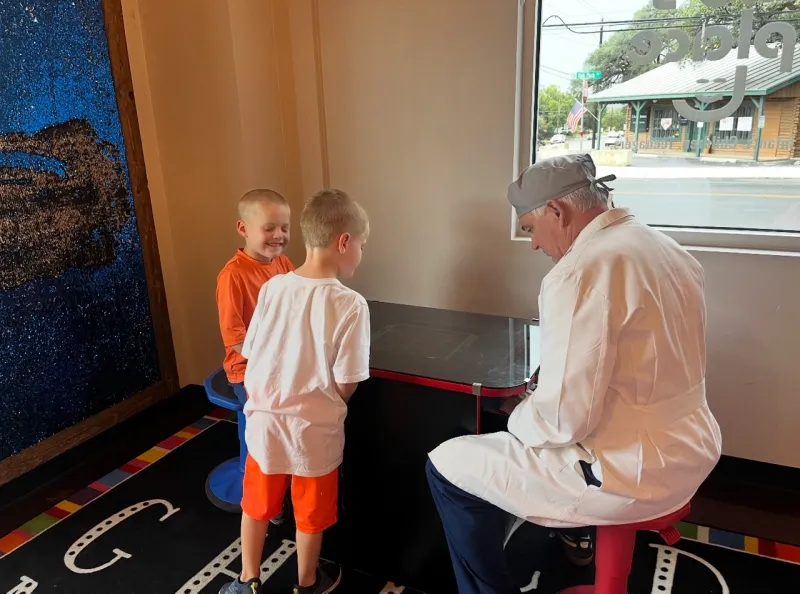
Dr. Michael K. Wilkerson, a board-certified pediatric dentist, has helped nervous Hill Country kids since 1993. Our kids-only office has arcade games, movies and free slushies, and our team expects fear and plans for it.
- Acclimation visits help anxious kids get comfortable with the office, the team and the chair before treatment.
- Soan painless numbing by DentalHiTech makes numbing gentler.
- Nitrous oxide, oral sedation and in-office general anesthesia, given by a visiting board-certified anesthesiologist or nurse anesthetist, so there’s no hospital visit.
If your child had a hard visit somewhere else, call us at (830) 239-5411 and tell us what happened. We’ll help you plan a better next visit. Our guide on choosing a pediatric dentist for an anxious toddler has more ideas.
Frequently Asked Questions
My child refuses dental treatment. What should I do?
Start by asking your child what felt scary, and listen without correcting. Then call the office and describe what happened. Many pediatric practices will plan a shorter visit, use tell-show-do, or suggest a morning appointment when your child is rested. If there's swelling, fever or a toothache that wakes your child at night, say so right away so the team can see your child sooner.
Can a dentist make a child get treatment?
Treatment happens only with a parent's informed consent, after the dentist explains the risks, benefits and alternatives. When a child won't cooperate, pediatric dentists usually slow down, try other comfort techniques, reschedule, or talk with parents about options like nitrous oxide or sedation. Ask what will happen step by step before you agree to anything.
Will a dentist call CPS for cavities?
Cavities alone are not neglect, and tooth decay is very common in kids. Dental neglect generally means a serious problem, like infection or ongoing pain, that a parent knows about and doesn't get treated. If cost, fear or scheduling is getting in the way, tell the office. A good team will help you make a plan.
When should a dental visit be rescheduled?
Reschedule a routine visit when your child is sick, overtired, or so upset that nothing will get done. A short visit that goes well beats a long one that ends in tears. Don't wait on an urgent problem like facial swelling, a fever with tooth pain, or a knocked-out adult tooth. Call the office right away.
What options does The Kid's Place have for kids who won't cooperate?
We start with a kid-friendly office, a patient team and acclimation visits to build trust. For treatment, we use Soan painless numbing, and we offer nitrous oxide (laughing gas), oral sedation and in-office general anesthesia with a visiting anesthesia team. Dr. Wilkerson will talk through which option fits your child. Call (830) 239-5411.
🎮 Kids can test their tooth smarts with our free Dental Trivia Challenge.