

How to Appeal a Denied Orthodontic Claim, Step by Step
Reviewed by Dr. Michael K. Wilkerson, DDS, pediatric dentist in Boerne, TX
Quick Summary
To appeal a denied orthodontic claim, read the denial letter or Explanation of Benefits to find the exact reason and deadline, check your plan’s orthodontic benefits, gather the treatment plan and records from your child’s dentist, and send a short appeal letter before the deadline. Better yet, ask for a pre-treatment estimate before treatment starts, which prevents many denials in the first place.
- The denial reason tells you what your appeal needs.
- Records and a letter from the treating dentist carry the most weight.
- Keep copies of everything and note dates and reference numbers.
- If the plan clearly excludes orthodontics, an appeal is unlikely to change that.
- Appeal rights depend on your plan type; Texas plans can get help from the Texas Department of Insurance.
- At The Kid’s Place in Boerne, our front office files the appeal for you if a claim is denied.
Table of Contents
- Before Treatment: Prevent the Denial
- Why Orthodontic Claims Get Denied
- Step 1: Read the Denial Letter and EOB
- Step 2: Check Your Plan’s Orthodontic Benefits
- Step 3: Gather Your Records
- Step 4: Write and Send Your Appeal Letter
- Deadlines and What Happens Next
- If the Appeal Is Denied
- Orthodontics at The Kid’s Place in Boerne
- Frequently Asked Questions
Before Treatment: Prevent the Denial
The easiest denial to win is the one that never happens. Before orthodontic treatment starts, ask the dental office to send your insurer a pre-treatment estimate (sometimes called a predetermination). The insurer reviews the treatment plan and tells you in writing what it expects to cover.
It’s not a guarantee of payment, but it shows you up front whether your plan covers orthodontics, how much the lifetime maximum is, and whether anything is missing, so you can sort it out before treatment instead of after.
Why Orthodontic Claims Get Denied
- No orthodontic benefit. Many dental plans don’t cover orthodontics at all.
- Age limits. Many plans cover orthodontics only up to a certain age, often 19.
- Lifetime maximum reached. Orthodontic benefits usually have a separate lifetime cap.
- Waiting periods. Some plans require you to be enrolled for a set time before orthodontics is covered.
- Missing information. The insurer may want x-rays, photos or a treatment plan it didn’t receive.
- Not medically necessary. Some plans, including Medicaid and CHIP, only cover orthodontics for severe problems that affect function.
- Late filing or a simple coding or paperwork error.
Step 1: Read the Denial Letter and EOB
The Explanation of Benefits (EOB) and any denial letter list the claim number, date of service, what was paid or denied, the reason, and the deadline to appeal. The reason tells you what to do:
- “Additional information required” usually means sending records, not a full appeal. Ask your dentist’s office to resend what’s missing.
- “Not a covered benefit” points to your plan’s terms. Check Step 2 before appealing.
- “Not medically necessary” is where records and a letter from the dentist matter most.
- A coding or billing error can often be fixed with a corrected claim from the office.
If the reason is unclear, call the number on your insurance card and ask them to explain it, and to send it in writing.
Step 2: Check Your Plan’s Orthodontic Benefits
Find your plan’s benefits summary and search for “orthodontic.” Look for:
- Whether orthodontics is covered at all, and for which ages
- The lifetime orthodontic maximum and how much is left
- Waiting periods
- Any rules about early (Phase 1) treatment
If the plan clearly excludes what was done, an appeal is unlikely to change that. You can still ask the insurer to point to the exact plan language behind the denial.
Step 3: Gather Your Records
A strong appeal includes:
- The denial letter and EOB
- The treatment plan: diagnosis, appliance or phase, expected length and retainers
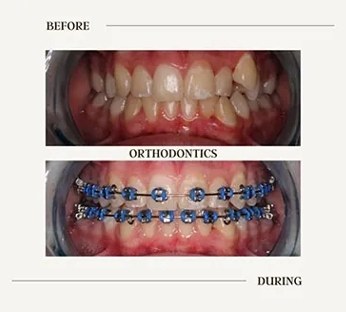
- Diagnostic records: x-rays, photos, and models or scans
- A letter from the treating dentist explaining why the treatment is needed: for example a crossbite, impacted teeth, an open bite, crowding that makes cleaning impossible, or chewing or speech problems
- For early treatment: why treating now matters and how it relates to any later phase
- Proof of coverage: your member ID and the plan’s orthodontic section
- A call log: dates, names and reference numbers for every call with the insurer
Usually the parent or policyholder files the appeal, and the dental office provides the clinical records. Ask the office to send records directly to the insurer and copy you. If your insurer has its own appeal form, use it and attach everything else.
Step 4: Write and Send Your Appeal Letter
Keep it short, factual and polite. Here’s a template you can adapt:
Dear [Insurance Company] Appeals Department,
I am appealing the denial of claim [claim number] for orthodontic treatment for my child, [child’s name], member ID [number], date of service [date]. The reason given was “[reason from the EOB].”
The enclosed records from [dental office], including the treatment plan, x-rays and a letter from the treating dentist, show why this treatment is needed. Please review them and reconsider this claim.
Sincerely,
[Your name, phone number and email]
Send it the way your insurer requires (portal, mail or fax), keep a full copy, and write down the date you sent it.
Book an orthodontic consultation at The Kid’s Place →
Deadlines and What Happens Next
Your denial letter should list the appeal deadline. For many employer-sponsored plans, federal rules allow at least 180 days, but individual plans can differ, so don’t wait.
Most plans have an internal appeal, where the insurer reviews the claim again with your records, and some have a second internal level. Rights beyond that depend on your plan:
- Employer plans follow federal claims rules. The U.S. Department of Labor’s Employee Benefits Security Administration can explain your rights.
- Plans regulated by Texas, such as many individual and fully insured plans, can get help from the Texas Department of Insurance, including filing a complaint.
- Medicaid and CHIP have their own appeal and fair hearing process, explained in your denial notice.
Independent external review is common for medical insurance but isn’t available for many standalone dental plans, so check your plan documents or ask the insurer which reviews apply.
If the Appeal Is Denied
Ask whether another level of review is available and get the final reason in writing. If coverage really isn’t available, ask the dental office about:
- Splitting treatment into phases so costs are spread out
- Payment plans or financing
- Whether a different approach fits your child and your budget
And remember open enrollment: if orthodontics is likely in your child’s future, compare plans for orthodontic coverage, age limits, lifetime maximums and waiting periods before you choose.
Orthodontics at The Kid’s Place in Boerne
Dr. Michael K. Wilkerson, a board-certified pediatric dentist, offers early interceptive orthodontics, braces, clear aligners for some patients and retainers in the same kid-friendly office as your child’s check-ups.
- Insurance: we accept most PPO plans, and our front desk can help you check your plan’s orthodontic benefits before you decide.
- We handle denials for you: if a claim for treatment at The Kid’s Place is denied, our front office files the appeal, records and all. You don’t have to fight the insurance company on your own.
- Payment: Cherry payment plans spread costs over time, with 0% APR options for qualified applicants.
- The consultation: a paid visit with a full set of records and Dr. Wilkerson’s exam, so you know whether to treat now, wait or skip treatment.
Learn more in our guides to early interceptive orthodontics and what early treatment feels like, or call us at (830) 239-5411.
Frequently Asked Questions
Why was my child's orthodontic claim denied?
Common reasons are that the plan doesn't cover orthodontics, the child is past the plan's age limit, the lifetime orthodontic maximum was reached, a waiting period applies, records were missing, the treatment was judged not medically necessary, or a filing or coding error. Your Explanation of Benefits should list the specific reason.
How can I prevent an orthodontic claim denial?
Before treatment starts, ask the dental office to send your insurer a pre-treatment estimate, also called a predetermination. It shows in writing what the plan expects to cover, so problems can be sorted out before treatment instead of after.
What should I include in an orthodontic insurance appeal?
The denial letter or EOB, your claim and member numbers, the treatment plan, x-rays and photos, a letter from the treating dentist explaining why treatment is needed, the plan's orthodontic coverage section, and a log of your calls with the insurer. Keep copies of everything.
How long do I have to appeal a denied dental claim?
Check your denial letter for the deadline. Many employer-sponsored plans must allow at least 180 days, but other plans can differ, so file as soon as you can.
What if my orthodontic appeal is denied?
Ask whether another level of internal review is available. Employer plans follow federal rules, and Texas-regulated plans can get help from the Texas Department of Insurance. Medicaid and CHIP have their own fair hearing process. External review isn't available for many standalone dental plans, so check your plan documents.
Will The Kid's Place help if my child's orthodontic claim is denied?
Yes. If a claim for treatment at The Kid's Place in Boerne is denied, our front office files the appeal for you, including sending the records the insurer needs. We accept most PPO plans and can help check your orthodontic benefits before treatment. Call (830) 239-5411.
🎮 Kids can test their tooth smarts with our free Dental Trivia Challenge.