

How Do You Prepare a Child for Orthodontic Appliances?
Reviewed by Dr. Michael K. Wilkerson, DDS, pediatric dentist in Boerne, TX · Updated November 20, 2026
Last Updated: November 20, 2026
Quick Summary
The best way to prepare a child for braces, an expander or another orthodontic appliance is to start a week or so ahead: explain it in kid words, let them see the office, pack a small comfort kit, and stock soft foods. Most kids are sore for a few days and used to their appliance within about a week.
- Explain the appliance with a simple picture: braces are “little handles that slowly move teeth.”
- Comfort kit: orthodontic wax, a soft toothbrush, lip balm and a small mirror.
- Stock soft foods like yogurt, pasta, eggs and smoothies before the appointment.
- Plays sports? Ask about a mouthguard that fits over braces.
- Call the office for a loose bracket, a poking wire wax won’t fix, or a loose expander.
Table of Contents
- What to Expect at the First Orthodontic Visit
- 10 Tips to Prepare Your Child for an Orthodontic Appliance
- Fitting Day: A Simple Plan
- The First Week
- Foods to Eat and Avoid
- Keeping Teeth Clean Around an Appliance
- When to Call the Office
- Questions to Ask Before Treatment Starts
- Orthodontics at The Kid’s Place in Boerne
- Frequently Asked Questions
What to Expect at the First Orthodontic Visit
The first orthodontic visit is a check-up, not a commitment to treatment. The American Association of Orthodontists recommends a first check-up by age 7, when a dentist can see how the jaws and adult teeth are developing. Many kids that age don’t need anything yet; the visit sets a starting point.
At the visit, the dentist looks at your child’s teeth, bite and jaws, often takes photos and X-rays, and explains whether to treat now, wait and watch, or do nothing. If treatment is recommended, ask for the plan and timeline in writing.
10 Tips to Prepare Your Child for an Orthodontic Appliance
1. Explain it in kid words
Skip the details about bites and jaws. Pick one simple picture that fits the appliance:
- Braces: “little handles and a wire that slowly move your teeth.”
- Expander: “a helper that slowly makes the roof of your mouth wider so your teeth have room.”
- Clear aligners: “clear trays that gently push your teeth a tiny bit at a time.”
- Retainer: “a seatbelt that keeps your teeth from sliding back.”
For a younger child, one sentence is plenty. Tweens and teens usually want to know how long it lasts and what it will look like.
2. Let them see the office first
Unfamiliar rooms are a big part of the fear. If your child is nervous, ask whether they can stop by to meet the team and see the chair before fitting day. Seeing the arcade and the slushie machine doesn’t hurt either.
3. Build a comfort kit
Let your child pick a small bag and fill it with:
- Orthodontic wax for spots that rub
- A soft travel toothbrush and small toothpaste
- Lip balm (lips get dry during the appointment)
- A small mirror
- A case, if they’ll have a retainer or aligners
4. Start the brushing routine early
Brushing matters more once an appliance is in, because food and plaque have more places to hide. Start a two-minute, twice-a-day routine before fitting day so it already feels normal. Our guide to electric vs. manual toothbrushes for kids with braces helps you choose a brush.
5. Stock soft foods
Fill the fridge before the appointment, not after. Yogurt, soup, mashed potatoes, scrambled eggs, mac and cheese, pasta, bananas and smoothies cover the first few days when chewing feels tender.
6. Plan for a few sore days
Most kids feel pressure or soreness for the first few days, and sometimes for a day or two after adjustments. Cold drinks, soft foods and wax help. Ask our team which pain reliever and dose are right for your child. Our guide on whether early orthodontic treatment hurts covers what kids usually feel.
7. Plan for school and sports
Pack wax and a travel toothbrush in the backpack. If your child plays sports, the AAO strongly recommends a mouthguard that covers braces. Ask us which kind fits over their appliance. If your child has aligners, pack the case so trays don’t end up wrapped in a lunch napkin.
8. Let your child ask questions
Kids cooperate better when they feel some control. Write down their questions and bring the list. Younger kids often want to know “Will it hurt?” and “Can I still eat ice cream?” (Yes!) Older kids may ask what friends will say, or whether they can pick their band colors.
9. Keep routines steady
Keep bedtime, meals and homework normal the first week. Tie new habits to old ones: brush after breakfast and before bed, and do expander turns or aligner swaps at the same time each day. A chart on the bathroom mirror helps younger kids keep track.
10. Celebrate small wins
Celebrate the first week, the first adjustment and every brushing streak with non-food rewards like a movie night or a trip to the park. Younger kids love a sticker chart; older kids may like a small privilege after a good week.
Fitting Day: A Simple Plan
| When | What to do |
|---|---|
| The week before | Visit the office if your child is nervous, build the comfort kit, start the brushing routine |
| The day before | Stock soft foods, write down questions, keep the evening calm |
| Fitting day | Eat a normal meal and brush well before the visit, bring the kit, plan a quiet evening with soft foods |
Putting on braces doesn’t require shots or drilling. It’s mostly cleaning and drying the teeth, gluing on brackets and placing the wire. Your child may feel more pressure later that day than during the visit itself.
Book an orthodontic check at The Kid’s Place →
The First Week
- Soreness usually peaks in the first few days and fades over the week.
- Cheeks and lips may rub on brackets at first. A small ball of wax over the spot helps while they toughen up.
- Speech may sound a little different with an expander, retainer or aligners for a few days.
- Expanders come with a turning schedule; our guide on how long kids wear palatal expanders explains what to expect.
Foods to Eat and Avoid
| Good choices | Skip or cut up |
|---|---|
| Yogurt, smoothies, pudding | Popcorn, nuts, hard candy, ice |
| Pasta, mac and cheese, rice | Gum, caramel, taffy, gummy candy |
| Scrambled eggs, soft cheese, soup | Tough meats and jerky |
| Bananas, berries, applesauce | Whole apples and raw carrots (cut them into small pieces) |
| Soft bread, pancakes | Corn on the cob (cut it off the cob) |
With clear aligners or a removable retainer, your child takes them out to eat, brushes, then puts them back in.
Keeping Teeth Clean Around an Appliance
- Brush after meals, angling the bristles above and below the brackets and along the gumline.
- Floss daily with a floss threader, orthodontic floss picks or a water flosser.
- Rinse with water after snacks when brushing isn’t possible.
- With an expander, rinse well or use a water flosser to flush food from under it.
- Check the appliance each night for anything loose or poking.
Puffy or bleeding gums usually mean plaque is building up along the gumline. More careful brushing and flossing generally help within a week or two. If they don’t, let us know.
When to Call the Office
Mild soreness and some rubbing in the first week are normal. Call us if:
- A bracket or band comes loose
- A wire pokes and wax doesn’t help
- An expander or retainer feels loose or breaks
- An aligner cracks or won’t fit
- Your child can’t eat or drink because of pain
- A mouth sore doesn’t heal within about a week
Questions to Ask Before Treatment Starts
- Does my child need treatment now, later, or not at all?
- Which appliance do you recommend, and why?
- How long will treatment take, and how often are visits?
- What’s the total cost, and how will insurance be billed?
- What happens after the appliance comes off? Will my child need a retainer?
For the bigger picture on timing, see our guide to early interceptive orthodontics.
Orthodontics at The Kid’s Place in Boerne
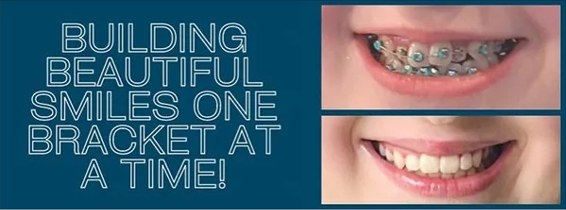
At The Kid’s Place, Dr. Michael K. Wilkerson, a board-certified pediatric dentist who has cared for Hill Country kids since 1993, provides orthodontic care in the same kid-friendly office your child already knows, with arcade games, movies and free slushies.
Start with an orthodontic consultation. It’s a paid visit that includes diagnostic records and Dr. Wilkerson’s exam, so you leave knowing whether to treat now, wait and watch, or skip treatment. If insurance denies an orthodontic claim, our front office will file the appeal for you; see our guide on appealing a denied orthodontic claim. Learn more about orthodontics for kids in Boerne, or call us at (830) 239-5411.
Frequently Asked Questions
How do I prepare my child for braces?
Explain braces in simple words a week or so ahead, let your child see the office and meet the team, and put together a small comfort kit with orthodontic wax, a soft toothbrush and lip balm. Stock soft foods for the first few days, and write down your child's questions to bring to the appointment.
How can I help my child feel less nervous about getting braces?
Take their worries seriously and give them choices where you can, like picking band colors or the bag for their comfort kit. Explain that putting braces on doesn't need shots or drilling; it's mostly cleaning, gluing and placing wires. Ask the team to explain each step as it happens.
How long does it take a child to get used to braces?
Most kids feel sore for the first few days, and it usually fades within about a week as the mouth adjusts. Soft foods, cold drinks and orthodontic wax help during that time. Mild soreness can come back for a day or two after adjustments.
What foods should my child avoid with braces?
Skip hard, sticky and chewy foods that can bend wires or pop off brackets, like popcorn, gum, hard candy, ice, caramel and taffy, and tough meats. Cut apples, carrots and corn off the cob into small pieces instead of biting into them.
When should I call about a problem with my child's appliance?
Call if a bracket comes off, a wire pokes and wax doesn't help, an expander or retainer feels loose or breaks, or your child can't eat or drink because of pain. Mild soreness in the first week is normal; a loose or broken appliance should be checked before the next scheduled visit.
🎮 Kids can test their tooth smarts with our free Dental Trivia Challenge.