
How to Help an Anxious Child at the Dentist: 7 Steps
Reviewed by Dr. Michael K. Wilkerson, DDS, pediatric dentist in Boerne, TX · Updated November 26, 2026
Last Updated: November 26, 2026
Quick Summary
Helping an anxious child at the dentist comes down to seven steps: talk about it a few days ahead, practice at home, start with a no-pressure visit, plan the day, bring comfort and distraction, let the team lead, and debrief afterward. Here’s how to do each one.
- Use simple, honest words, and skip “shot,” “drill” and “it won’t hurt.”
- Role-play at home by counting each other’s teeth.
- Very nervous? Ask for an acclimation visit before treatment.
- Book a time when your child is rested, and tell the front desk they’re nervous.
- Praise the effort afterward, and write down what helped for next time.
Table of Contents
- Step 1: Talk About It a Few Days Ahead
- Step 2: Practice at Home
- Step 3: Start With a No-Pressure Visit
- Step 4: Plan the Day
- Step 5: Bring Comfort and Distraction
- Step 6: Stay Calm and Let the Team Lead
- Step 7: Debrief and Celebrate
- Signs Your Child Is Anxious
- Why Dental Anxiety Matters for Cavities
- Extra Help: Gentle Numbing and Sedation
- Anxious Kids at The Kid’s Place in Boerne
- Frequently Asked Questions
Step 1: Talk About It a Few Days Ahead
Bring up the visit two or three days before, not two weeks before. Too much lead time leaves more room to worry. Keep it short, simple and matter-of-fact: “On Thursday we’re going to the dentist. They’ll count your teeth and make them shiny.”
Words to skip: “shot,” “needle,” “drill,” “pull” and “hurt.” And don’t promise “it won’t hurt”; it puts the idea of pain in their head and can break trust. If your child asks, keep it honest: “The dentist has special ways to keep you comfortable, and you can raise your hand if you need a break.”
Step 2: Practice at Home
- Play dentist. Count your child’s teeth with a toothbrush, then let them count yours or a stuffed animal’s.
- Practice “open wide” in front of a mirror.
- Lie back on the couch with a flashlight shining down, like the dental chair.
- Read a picture book about a dental visit.
- Practice a stop signal, like raising a hand, so your child knows they can ask for a break.
Step 3: Start With a No-Pressure Visit
For a very nervous child, an acclimation visit can make a big difference. It’s a short visit with no treatment: your child meets the team, rides the chair up and down, holds the mirror, and leaves with a good memory and a prize. Ask about one when you book.
Step 4: Plan the Day
- Book a good time, often the morning, when your child is rested. Avoid nap time.
- Feed your child beforehand; hungry kids melt down faster.
- Leave plenty of time so nobody feels rushed.
- Tell the front desk your child is nervous, and share anything that helps, like a favorite topic or a sensory sensitivity.
- Keep the rest of the day light. Don’t squeeze the visit between other errands.
Step 5: Bring Comfort and Distraction
- A favorite stuffed animal, blanket or fidget toy
- Headphones with their own music or an audiobook
- Sunglasses if the bright light bothers them
- A squeeze ball, or your hand to squeeze on a count of three
Book a visit at The Kid’s Place →
Step 6: Stay Calm and Let the Team Lead
Kids read their parents’ faces before their words. Sit where your child can see you, keep your face relaxed and your voice quiet, and let the dental team do the talking. Pediatric teams use proven techniques like tell-show-do: they tell your child what’s next, show the tool, then do it. It’s one of the methods described in the American Academy of Pediatric Dentistry’s behavior guidance.
Too many voices can be confusing, so hold questions for a pause or the end of the visit. Wondering whether you can be in the room? See our guide on whether parents can stay during a child’s exam.
Step 7: Debrief and Celebrate
- Praise the effort, not just the result: “You were so brave when you opened wide.”
- Ask two questions once your child is calm: “What felt easy?” and “What felt hard?”
- Write down what helped, like the headphones or the counting game, and share it at the next visit.
- Celebrate with a non-food reward, like a trip to the park or choosing a movie.
If a visit was really hard, that’s information, not failure. Our guide on what happens when a child refuses dental treatment covers what to do next.
Signs Your Child Is Anxious
- Trouble sleeping the night before
- Stomachaches or headaches on appointment day
- Asking over and over whether it will hurt
- Crying, clinging or going very quiet in the waiting room
- Refusing to open their mouth or turning away
A silent child can be just as scared as one who cries. Let the team know either way.
Why Dental Anxiety Matters for Cavities
Dental anxiety doesn’t cause cavities directly; bacteria, sugar and time do. But fear often leads families to put off visits. A small problem that could have been caught early grows into a bigger one that needs more treatment, which can make the fear worse. Calm, regular check-ups break that cycle. Read more in our guide on whether dental anxiety causes tooth decay.
Extra Help: Gentle Numbing and Sedation
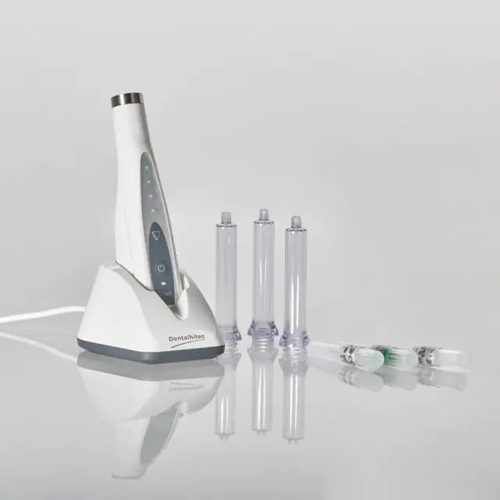
For many kids, the shot is the scariest part. At The Kid’s Place, we use the Soan by DentalHiTech, a computer-controlled system that delivers numbing medicine drop by drop at a slow, steady rate, so most kids barely notice.
When a child needs treatment and can’t get through it awake and calm, sedation can help: nitrous oxide (laughing gas), oral sedation, or in-office general anesthesia given by a visiting anesthesia team. Learn more about sedation dentistry for kids.
Anxious Kids at The Kid’s Place in Boerne
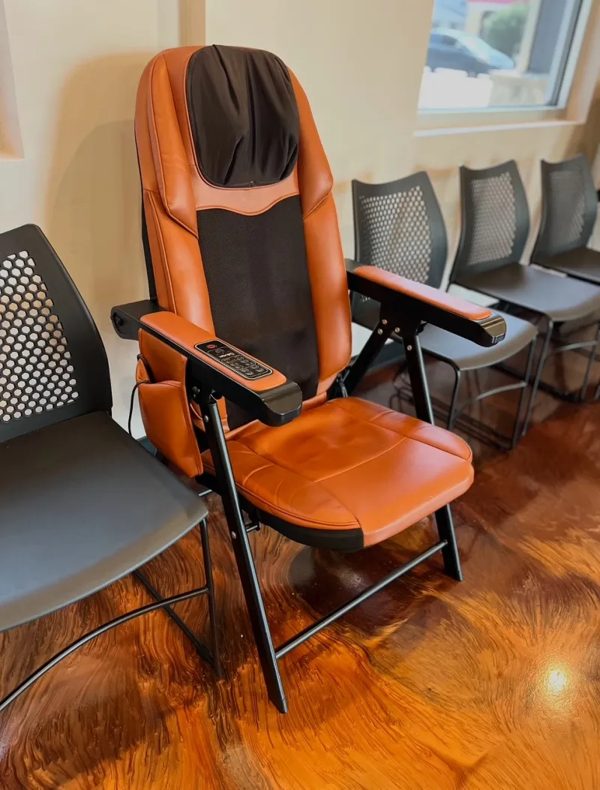
Dr. Michael K. Wilkerson, a board-certified pediatric dentist, has helped nervous Hill Country kids since 1993. Our kids-only office has arcade games, movies and free slushies, plus a coffee bar and massage chairs for parents. Learn more about our help for anxious kids, or call us at (830) 239-5411 and tell us about your child.
Frequently Asked Questions
How can I help my anxious child at the dentist?
Prepare a few days ahead with simple, positive words and pretend play, book a time when your child is rested, pack a comfort item, and tell the front desk your child is nervous. In the room, stay calm and quiet and let the team lead. Afterward, praise the effort, not just the result.
What words should I avoid before a dental visit?
Skip 'shot,' 'needle,' 'drill,' 'pull' and 'hurt,' and don't promise 'it won't hurt.' Use simple, honest words like 'The dentist will count your teeth and tickle them clean.' Let the dental team explain tools in their own kid-friendly words.
What is an acclimation visit?
It's a short visit with no treatment, where a nervous child meets the team, rides the chair, sees the tools and leaves with a good experience. At The Kid's Place, we offer acclimation visits for very anxious kids before treatment begins.
Does dental anxiety cause cavities?
Not directly; cavities come from bacteria, sugar and time. But anxiety often leads families to put off visits, and small problems can grow into bigger ones that need more treatment, which can make the fear worse. Regular, calm check-ups break that cycle.
Can my child be sedated for dental work?
Yes, when it's needed. Options include nitrous oxide (laughing gas), oral sedation, and general anesthesia for extensive treatment, severe anxiety or special needs. At The Kid's Place, general anesthesia is given in our office by a visiting anesthesia team. Dr. Wilkerson will talk through which option fits your child.
🎮 Kids can test their tooth smarts with our free Dental Trivia Challenge.